The Best No You'll Ever Write: Declining Work Without Losing the Relationship
Every studio gets the wrong-fit inquiry. A graceful no is part of your brand, and it can win you the next project if you handle the exit with the same care as the pitch.
Category
11 articles
Every studio gets the wrong-fit inquiry. A graceful no is part of your brand, and it can win you the next project if you handle the exit with the same care as the pitch.

Somewhere along the way, 'unlimited revisions' became the default handshake of the design world, and studios have been quietly bleeding money ever since. Here's why we keep doing it—and a playbook for making the third round billable without torching the relationship.
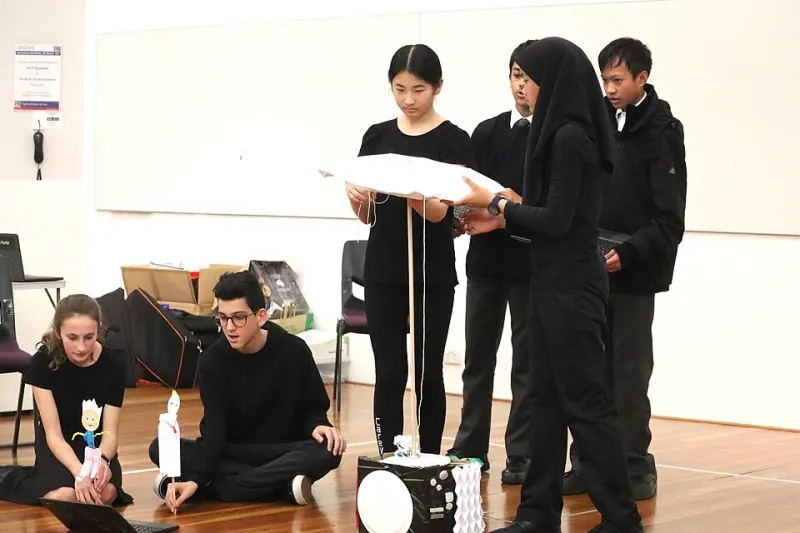
Most creative pitches lose the room before the good part arrives. We talked to studio principals and buyers about pacing, restraint, and why your best idea shouldn't be buried on slide twelve.
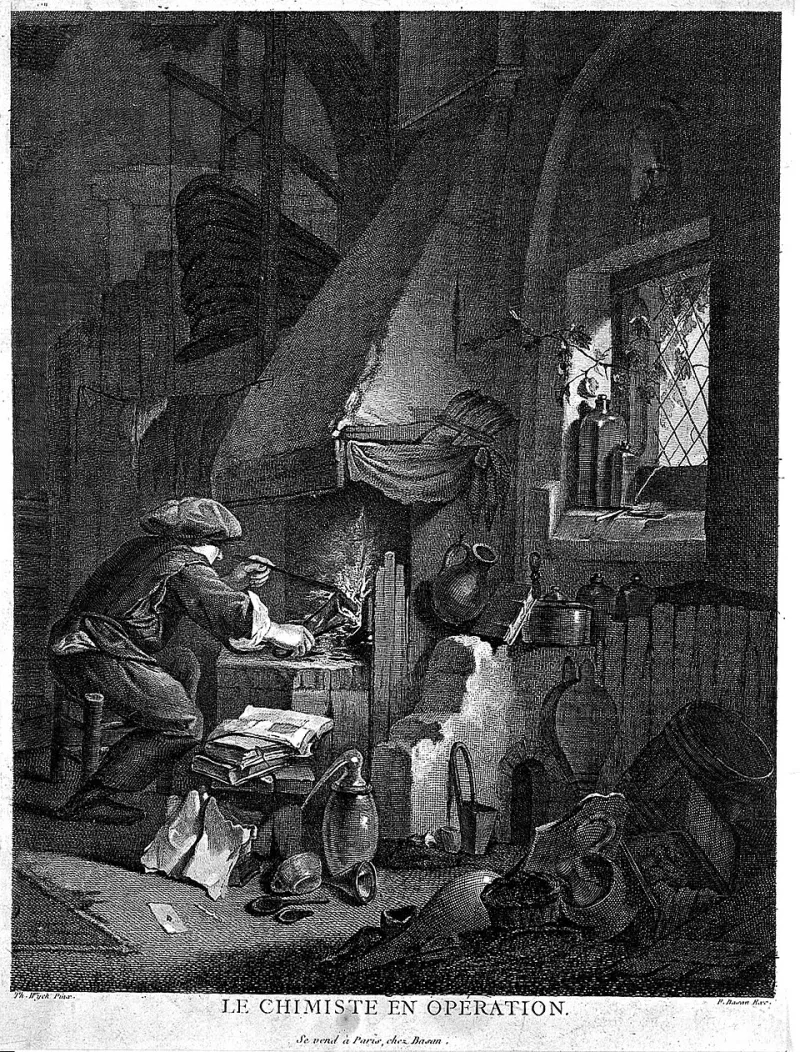
Every studio has a folder full of concepts that never saw daylight. Turns out that folder might be the most undervalued asset on the books.
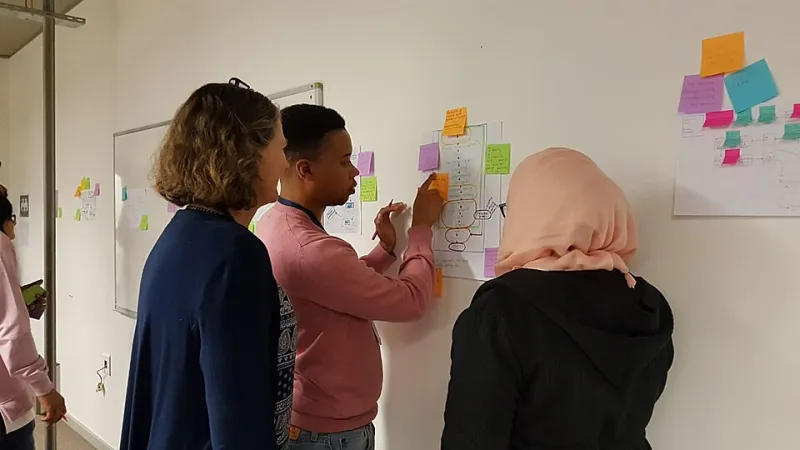
There's a meaningful difference between a creative process that invites conflict and one that just invites more meetings. The studios doing the most interesting work right now have figured out how to build disagreement directly into their workflow—without letting it turn into a committee. Here's what that actually looks like.

The more voices you add to a creative process, the more the sharp edges get sanded down. This is a look at how bloated stakeholder lists quietly murder bold work — and how to build a feedback structure that actually protects the vision you were hired to deliver.

Studios spend years building relationships with visionary designers and directors, then lose them quietly to frustration nobody named out loud. The reasons rarely show up on an exit interview. Here's what's actually happening—and how to build a studio culture that retains the people who make the work worth watching.

Too many creative projects die quietly—not from lack of talent, but from a fundamental mismatch between what a client thinks they're buying and what a studio actually does. When clients treat creative professionals like order-takers, everyone loses: the vision gets watered down, the studio burns out, and the final product disappoints. Here's how to stop that cycle before it starts.

Showing clients a half-baked concept might feel transparent, but it can quietly torpedo a project before it ever finds its footing. Here's how creative studios can protect their vision, manage expectations honestly, and figure out exactly when a concept is ready to leave the room.
Most creative briefs fail before the first design meeting even happens. They're either too vague to be useful or too rigid to allow for real creative thinking—and the projects that follow tend to reflect exactly that. Here's what a brief that actually works looks like, and why getting it right is one of the most important things a studio can do.
Client contracts in the entertainment industry are loaded with language that can quietly strip a studio of its most valuable assets — creative ownership, future earning potential, and the right to showcase its own work. Here's what to look for, what to push back on, and how to negotiate terms that actually protect your studio's long-term interests.